The stop starts · DOT inspection
“Roll down your window.”What the officer means and what to do
Open the window or the door.
When officers say it
Officers say this in the first minute of a stop. FMCSA says roadside inspections start in English, and the officer runs the English check if first contact suggests the driver may not understand instructions (FMCSA roadside FAQs).
Other ways the officer may say it
Officers rephrase. Listen to each one: they all ask for the same thing.
- “Open the door, please.”
- “Can you come down here?”
What to do and say
- OK.
- Yes, officer. One moment.
Highlighted words come from an example trip (Dallas, Texas to Atlanta, Georgia, general freight). Always say your own true details.
Key words to listen for
- window
- door
- come down
Don't say
- Opening the door fast and jumping down without being asked
Sample conversation
- OfficerRoll down your window.
- YouOK.
- OfficerCan I see your license?
- YouYes, officer. Here is my CDL.
Built from real lines in this practice. Your answers use your own trip.
Explanation
In practice sessions in Nuevo Laredo the 'officer' starts by ordering the door open and asking for the license. Move slowly and say what you are doing.
How to practise this
Play the instruction and picture the action: which button, which pedal, which paper. Say the short reply out loud ("OK, officer.") while you do it in your head. Then play the other ways the officer may say it, because the words change but the action stays the same. Practise only while parked.
If you didn't catch it
Asking once is normal. Use one of these lines, then answer the question.
- Sorry, officer. Can you say that again, please?Ask the officer to say it again.
- Slowly, please.Ask the officer to speak slowly.
- My medical card? Yes, here it is.Repeat the word you caught, as a question.
- One moment, please. It's in my folder.Ask for a moment to find it.
No help during the English questions. FMCSA's guidance says interpreters, I-Speak cards, cue cards, smartphone apps and phone interpretation should not be used in the English interview, because they "may mask a driver's inability to communicate in English" (FMCSA carrier guidance). Oregon DOT tells its inspectors to have the driver hang up the phone and to stop a co-driver from answering (Oregon DOT). If you need "I don't understand" for every question, the interview stops there. Practise while parked, never during a stop.
Why it matters for the English check
The rule says a driver must be able to read and speak English well enough "to converse with the general public, to understand highway traffic signs and signals in the English language, to respond to official inquiries, and to make entries on reports and records" (49 CFR 391.11(b)(2)). At roadside the English language proficiency (ELP) check has two steps: first a driver interview, then road signs. If a driver can't respond to the interview questions, the officer doesn't go on to the signs (FMCSA roadside FAQs). Officers may say the same thing in other words: Oregon DOT tells its inspectors to consider rephrasing and to take their time (Oregon DOT).
Practise this out loud, free
Hear the officer, say your answer and get a tip. 2 minutes, no signup.
Questions drivers ask
What does the officer mean by “Roll down your window.”?
Open the window or the door. In practice sessions in Nuevo Laredo the 'officer' starts by ordering the door open and asking for the license. Move slowly and say what you are doing.
What do I do when the officer says “Roll down your window.”?
Open the window or the door. Do it right away and say: “OK.”
Can I ask the officer to say it again?
Yes. Asking once is normal: "Sorry, officer. Can you say that again, please?" Oregon DOT tells its inspectors to consider rephrasing and to take their time (Oregon DOT). But if you need it for every question, the interview stops there.
Can I use a translator app or call someone?
No. FMCSA's guidance says interpreters, I-Speak cards, cue cards, smartphone apps and phone interpretation should not be used in the English interview, because they "may mask a driver's inability to communicate in English" (FMCSA carrier guidance).
Why do officers ask this?
Officers say this in the first minute of a stop. FMCSA says roadside inspections start in English, and the officer runs the English check if first contact suggests the driver may not understand instructions (FMCSA roadside FAQs).
More questions on this topic
After the questions: road signs
In Step 2 the officer shows road signs and asks what they mean. Practise a few:
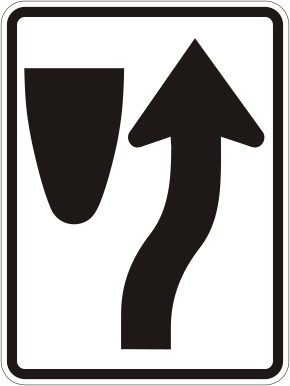
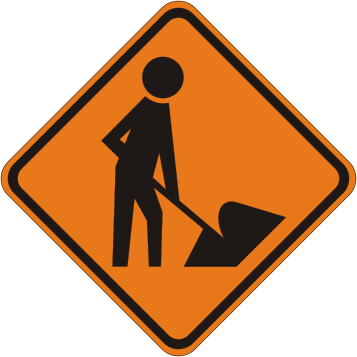
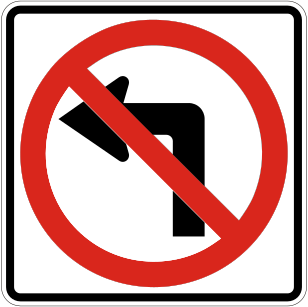
Practice material. Always give your own true answers. The officer decides at roadside.