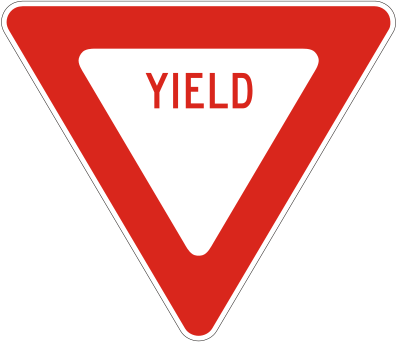
What it means
Let other traffic go first.
What a trucker should do
Slow down. Stop if needed.
Why it matters for trucks
Trucks need big gaps.
Say it to the officer in English
Use the pattern: "This sign means ___. I ___."
Yield. Other cars go first.
Where truckers see it
Regulatory signs give a rule you must follow: a speed, a weight, a lane, or a road trucks can't use. Breaking one can mean a ticket or a road your truck doesn't fit.
Signs in the English check
The rule asks drivers "to understand highway traffic signs and signals in the English language" (49 CFR 391.11(b)(2)). In Step 2 of the roadside check the officer shows signs and asks what they mean (FMCSA roadside FAQs). FMCSA's guidance for carriers points to the federal sign manual (MUTCD) plus dynamic message signs (FMCSA carrier guidance).
How the roadside English check works
“What does this sign mean?”See how the officer asks about signs, and the answer pattern.How to practise this
Look at the sign for three seconds, then look away and say the pattern out loud: "This sign means ___. I ___." Keep it short: what it means, then what you do with your truck. Then try the related signs below. Practise only while parked.
Practise signs like the officer asks
10 signs and 5 officer questions in the free demo. 2 minutes, no signup.
Questions drivers ask
What does the “Yield” sign mean?
Let other traffic go first. Slow down. Stop if needed.
What should a truck driver do at a “Yield” sign?
Slow down. Stop if needed. Trucks need big gaps.
How do I explain this sign to an officer in English?
Say what it means, then what you do. For example: “Yield. Other cars go first.”
Do I have to explain signs in English?
FMCSA's guidance for a carrier's own office check says the explanation "may be in any language, provided the manager is able to understand the driver's explanation" (FMCSA carrier guidance). FMCSA's published roadside guidance doesn't say the same for roadside, so practise a short English answer.
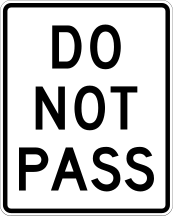
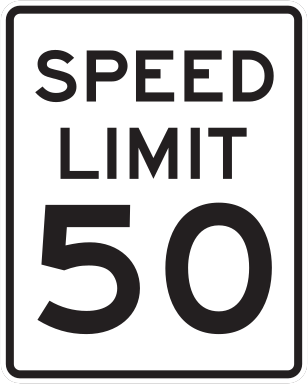
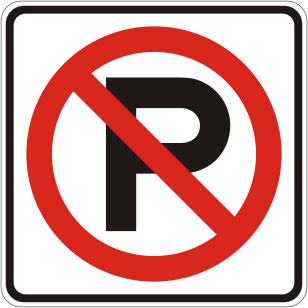
More signs like this
Practice material. Always give your own true answers. The officer decides at roadside.